The Paraíba Valley and the New Cycle of Reforestation

Human beings have the potential to care for and protect anything, provided they possess knowledge and genuine engagement.
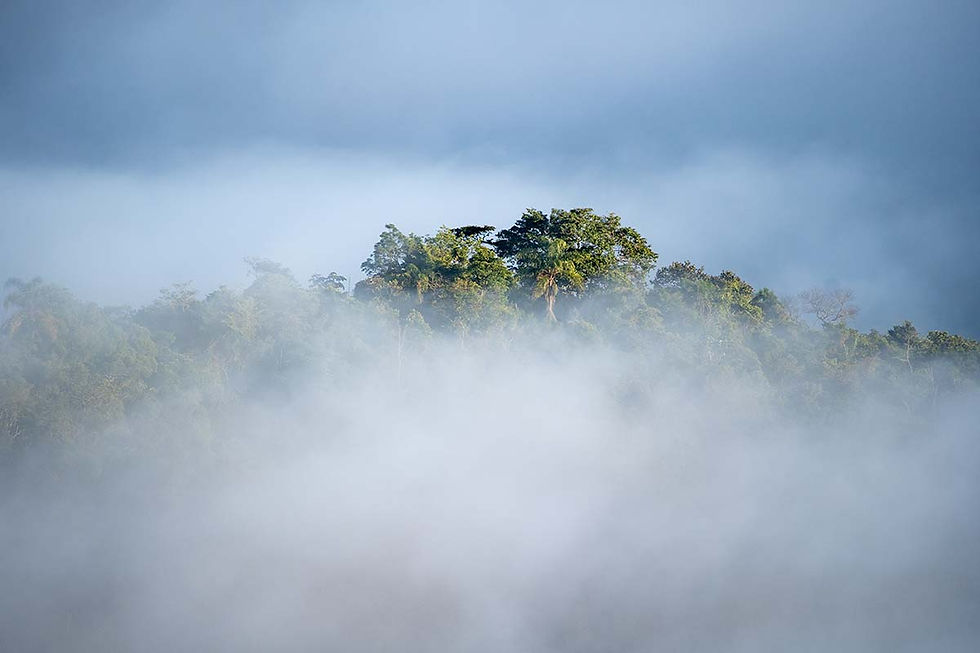
In 2025, I travelled through the Paraíba Valley in search of images for the production of the book Paraíba Valley – Nature, Culture and Sustainability. (only in portuguese)
A book that investigates the landscape, the economy, and the choices made concerning this territory over time. The work involved conversations with, and access to, companies, landowners, rural unions, and environmental agents.
Since the arrival of Europeans, the Valley has been shaped by intense economic cycles: coffee, dairy farming, timber, eucalyptus. Each phase has left deep marks on the landscape and on the Atlantic Forest that covers the so-called "mares de morro" (sea of hills), an expression coined by the geographer Aziz Ab’Sáber, himself a native of the region.

Today, the scenario is beginning to change. Many rural producers have realised that the paths taken in the past are no longer sustainable. Protecting the forest is no longer seen as an obstacle, but rather understood as an economic strategy.
“WHEN WE CARE FOR NATURE, IT RESPONDS.”
The Paraíba Valley and Reforestation
Reforestation with native species, the production of seeds, fruits, and seedlings, and the careful management of the soil are emerging as more productive and less costly alternatives in the long term in the Paraíba Valley. It is a shift in mindset that does not erase the mistakes of the past, but points towards a possible future.


Eucalyptus trees chemically killed to make way for the Atlantic Forest, and a spring fenced off from cattle, reveal two significant shifts in relation to commercial species that damage the environment. The extent of eucalyptus plantations has already been reduced, and cattle are now managed in a manner more compatible with soil health and native vegetation.

Maintenance of palm seedlings. Products of the bioeconomy.
Across all the properties I visited where legal reserve areas had been restored, I heard variations of the same sense of surprise:
“Now I no longer need to buy water; it springs from the ground.”
“The animals have returned.”
“Before, I worked all day. Now I have time.”


Jacutinga reintroduction programme in São Francisco Xavier. The species is one of the most important seed dispersers, benefiting the Atlantic Forest.
During this period of photographing the region, I had the feeling of hearing the landscape say: “You tried it the human way. Now see how it works in my way.”
And, for the first time in a very long time, human beings seem to be listening. And, better still, giving thanks.
Follow me on these journeys. Subscribe to the newsletter to receive news, offers, and opportunities. Subscribe here.



Comments