The Photographs That Almost Disappeared

For a long time, I believed photography was an attempt to find what seemed important.
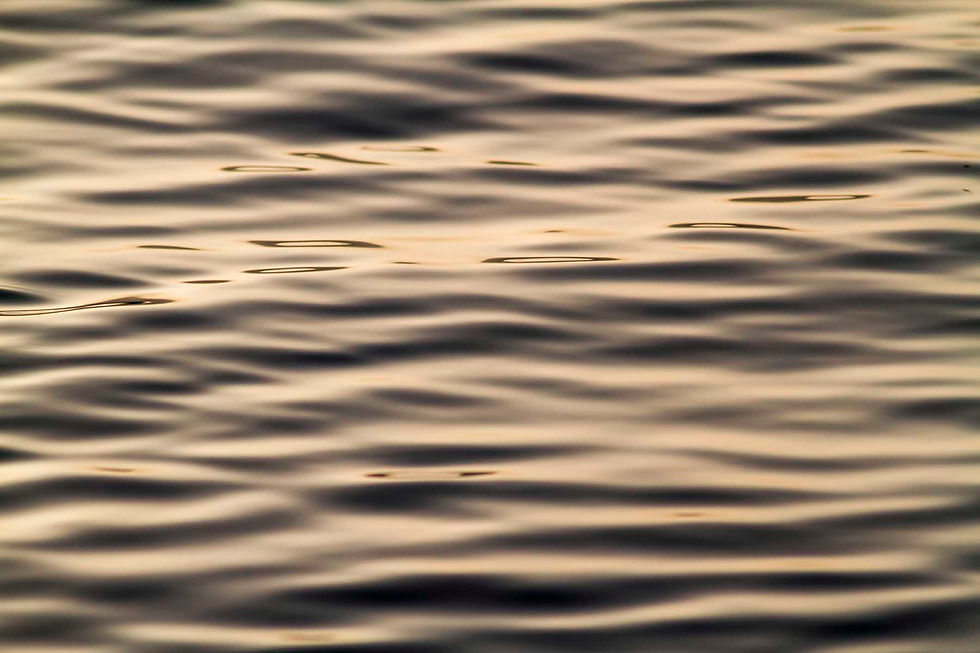
Some images seem to say nothing at first glance. Perhaps that is precisely why they remain.
For a long time, I believed photography was an attempt to find what seemed important.
Grand landscapes. Decisive moments. Situations that immediately drew attention.
Perhaps there is something intuitive about that. When we stand before a scene, we naturally search for what we believe is at its center: the action, the character, the event. Everything else appears to occupy a secondary place within the image.
But some photographs behave in strange ways.

"Photographs that survived disappearance"
Researcher and curator Rubens Fernandes Junior has developed work around what he calls orphaned photographs: images found in flea markets, discarded collections, and abandoned archives. Photographs that have lost their owners, their stories, and often any possibility of knowing who once stood in front of the camera.
In a way, they are images that survived disappearance.
They lost their context, they lost their names, they lost their original stories, and yet something still remains within them.
I have always been drawn to the question that seems to exist behind this work: what remains in an image when everything that once gave it meaning disappears?
Recently, while revisiting photographs I made over many years in estuaries and mangrove environments, I noticed something unexpected: the photographs that almost disappeared.
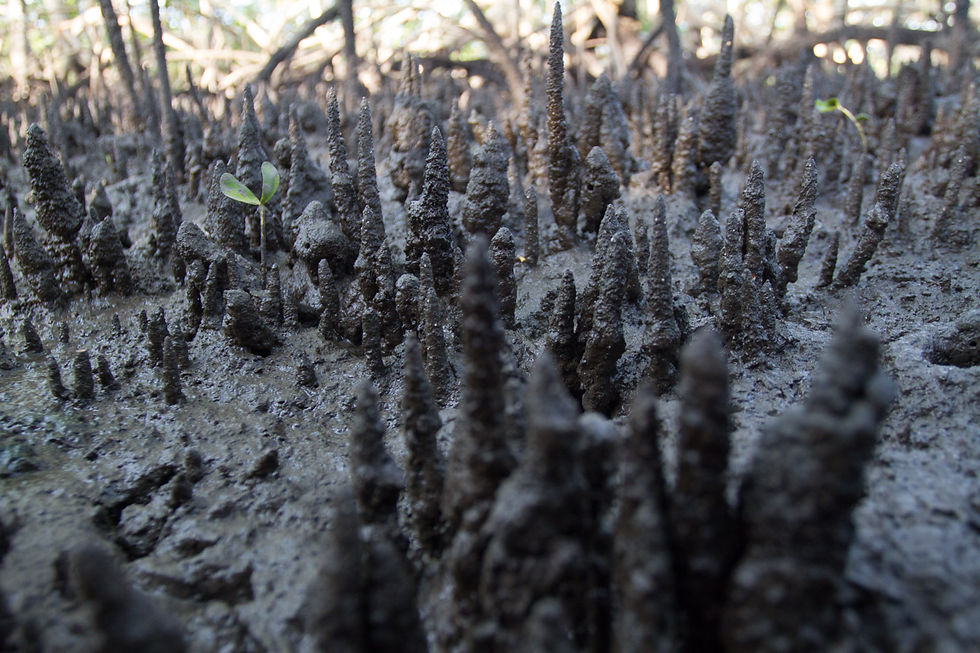
Some of the images that interest me most today were precisely the ones I barely paid attention to when I first made them.
They were not grand landscapes.
They were not extraordinary events.
They were surfaces.
Traces.
Reflections.
Small transformations.
Images that seemed to exist at the edges of what I believed I was photographing.
Perhaps something similar happens beyond photography.

We spend much of our lives looking toward what appears to be central: goals, speed, results, major events. Meanwhile, quieter relationships continue unfolding around us — small movements, cycles, slow transformations, and invisible dependencies that sustain what we call everyday life.

Perhaps our relationship with the natural world has gone through something similar.
Perhaps it has not disappeared entirely.

Perhaps it has simply been pushed to the margins of our attention.


Perhaps some things never truly cease to exist.


Perhaps we simply stop noticing them.


Comments